Boron nitride ceramic plates are now being used as substrates for thermal pyrolytic graphite coating in high-purity graphite production. These plates offer excellent thermal stability and chemical inertness. They help create a cleaner, more consistent coating process. Manufacturers choose boron nitride because it does not react with molten graphite or other materials at high temperatures. This keeps the final graphite product free from contamination.
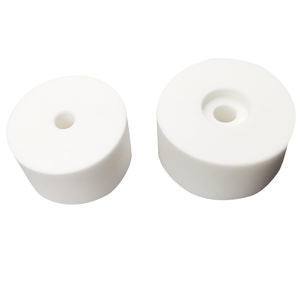
(Boron Nitride Ceramic Plates for Thermal Pyrolytic Graphite Coating Substrates for High Purity Graphite)
The plates can handle extreme heat without warping or breaking down. They stay strong even when heated repeatedly. This makes them ideal for use in vacuum or inert gas environments where purity matters most. Their smooth surface also supports uniform graphite deposition. That leads to better performance in end-use applications like semiconductors and aerospace components.
High-purity graphite is essential in many advanced industries. Any impurity can ruin sensitive processes. Boron nitride ceramic plates reduce the risk of introducing unwanted elements during manufacturing. They are easy to clean and reuse. This lowers costs over time while maintaining quality standards.
Suppliers report growing demand for these specialized plates. Customers value their reliability and performance. The material’s non-wetting properties prevent graphite from sticking too strongly. This simplifies removal after coating and reduces waste. Production lines run more smoothly as a result.
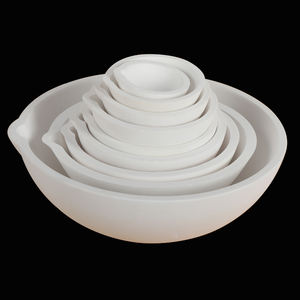
(Boron Nitride Ceramic Plates for Thermal Pyrolytic Graphite Coating Substrates for High Purity Graphite)
Engineers continue to test new designs using boron nitride substrates. Early results show promise for even tighter control over graphite structure and purity. Companies investing in this technology say it gives them a competitive edge. They meet stricter industry requirements without slowing output.