Retailers now have a new way to reach shoppers through Google’s “Browse Shops” feature. This tool lets people explore products from different stores in one place. It works like a digital marketplace inside Google Search. Stores that show up here get more eyes on their items without extra ads.

(Optimizing for Google’s “Browse Shops” Feature)
Getting listed in Browse Shops starts with good product data. Sellers must use Google Merchant Center to share details like price, availability, and images. Clean, accurate info helps Google show the right products to the right people. Missing or messy data can keep a store out of the feed.
High-quality photos matter too. Clear pictures with plain backgrounds perform better. Customers scroll fast, so visuals must grab attention quickly. Descriptions should be short but clear. Avoid fancy words. Just say what the product is and why it matters.
Stores also need a smooth mobile experience. Many users browse on phones. If a site loads slow or looks broken on small screens, sales drop. Google notices this and may rank those shops lower.
Updating inventory often keeps listings fresh. Out-of-stock items frustrate shoppers and hurt trust. Real-time sync between the store and Merchant Center avoids this problem.
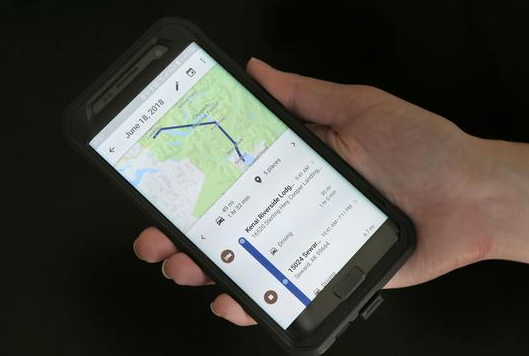
Local sellers benefit as well. Browse Shops can highlight nearby inventory when someone searches close to a store. This drives foot traffic and online orders at the same time.
(Optimizing for Google’s “Browse Shops” Feature)
Businesses that act now will get ahead as more people use this feature. Google continues to improve how it shows shopping results. Staying updated with their guidelines gives stores an edge. Simple steps like fixing data errors or improving photos can lead to big gains. Retailers who treat Browse Shops as a key channel will see results faster than those who wait.