A new generation of silicon carbide ceramic heat exchangers is proving highly effective in harsh industrial settings. These units handle corrosive chemicals and extreme heat without degrading. Traditional metal exchangers often fail under such conditions, but silicon carbide offers superior resistance.
(Silicon Carbide Ceramic Heat Exchangers Withstand Corrosive Environments at Elevated Temperatures)
Manufacturers designed these heat exchangers for industries like chemical processing, oil and gas, and waste treatment. In these fields, equipment must endure acidic or alkaline fluids at high temperatures. Silicon carbide maintains its strength and integrity where metals corrode or warp.
The material’s thermal conductivity is also excellent. It transfers heat efficiently while resisting thermal shock. This means the exchangers can manage rapid temperature changes without cracking. Their durability leads to longer service life and fewer replacements.
Operators report fewer maintenance issues since switching to silicon carbide units. Downtime has dropped in several pilot installations. The exchangers perform reliably even after months of continuous use in aggressive environments.
Production costs remain competitive despite the advanced material. Engineers achieved this by optimizing the manufacturing process. The result is a product that balances performance, longevity, and affordability.
Early adopters include chemical plants in Europe and North America. They use the exchangers in sulfuric acid recovery systems and flue gas cooling applications. Feedback highlights consistent performance and reduced operational risks.
Industry experts note that demand for corrosion-resistant components is rising. Stricter environmental regulations and more aggressive process chemistries drive this trend. Silicon carbide heat exchangers meet these evolving needs without compromise.
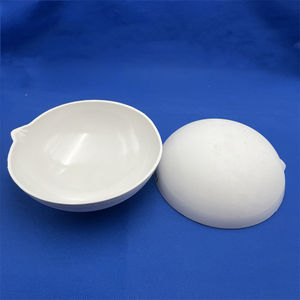
(Silicon Carbide Ceramic Heat Exchangers Withstand Corrosive Environments at Elevated Temperatures)
Suppliers are scaling up production to meet growing interest. New models with customized flow paths and connection types are now available. This flexibility allows integration into existing systems with minimal retrofitting.